What Are the Latest Trends in Modern House Construction and Smart Homes?
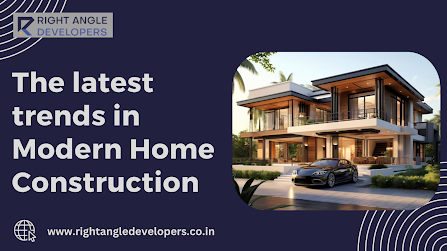
Modern house construction is rapidly evolving with a strong focus on sustainability, smart technology, energy efficiency, and functional living spaces. Homeowners today are looking for homes that are not only visually appealing but also intelligent, eco-friendly, and future-ready. From smart automation systems to modular construction methods, the modern housing industry is embracing innovation like never before.

Smart Homes Are Becoming the New Standard
Smart home technology is now an essential part of modern living. Homeowners prefer houses that offer convenience, safety, and energy savings through automation. Features like voice-controlled lighting, smart thermostats, automated curtains, digital door locks, and AI-powered security systems are becoming increasingly common in modern homes.
With smartphone integration, homeowners can control appliances, lighting, air conditioning, and surveillance systems remotely. Smart homes not only improve comfort but also enhance security and energy management.
Sustainable and Eco-Friendly Construction
Sustainability is one of the biggest trends in modern house construction. Builders are increasingly using eco-friendly materials and energy-efficient systems to reduce environmental impact. Features such as solar panels, rainwater harvesting systems, energy-efficient windows, and low-water plumbing fixtures are gaining popularity.
Green building materials like AAC blocks, bamboo composites, recycled wood, and carbon-neutral concrete are also becoming preferred choices for environmentally conscious homeowners.
Modular and Prefabricated Construction
Modern construction techniques are shifting toward modular and prefabricated homes. These construction methods reduce building time, minimize material wastage, and improve quality control. Prefabricated components are manufactured off-site and assembled quickly at the construction location.
This trend is especially beneficial for urban housing projects where speed, cost-efficiency, and labor management are important factors.
Open and Flexible Floor Plans
Modern homes are designed with flexible layouts that maximize space and comfort. Open-plan living rooms, kitchen-dining combinations, and multi-purpose spaces are becoming highly popular. Homeowners now prefer adaptable spaces that can serve as workstations, entertainment areas, or guest rooms when needed.
The demand for home offices and hybrid living spaces has also increased significantly due to changing work lifestyles.
Energy-Efficient Homes
Energy efficiency has become a major priority in modern house construction. Advanced insulation systems, smart lighting, energy-efficient HVAC systems, and passive cooling designs help reduce electricity consumption and lower utility bills.
Many modern homes are now designed to maximize natural ventilation and sunlight, creating healthier and more comfortable living environments.
Biophilic and Nature-Inspired Design
Modern homeowners are increasingly incorporating nature into home design. Large windows, indoor plants, vertical gardens, natural wood finishes, and earthy color palettes are key elements of biophilic design.
This trend promotes wellness, improves indoor air quality, and creates a calming atmosphere inside the home.
Smart Storage and Space Optimization
As urban living spaces become smaller, smart storage solutions are becoming essential. Hidden cabinets, multi-functional furniture, under-bed storage, and wall-mounted designs help maximize available space without compromising aesthetics.
Modern homes are now designed to remain clutter-free while maintaining a stylish and functional appearance.
Wellness-Focused Living Spaces
Today’s homeowners want homes that support mental and physical well-being. Spa-inspired bathrooms, meditation corners, fitness rooms, air purification systems, and natural lighting are becoming important design elements.
Builders are focusing more on creating healthy living environments that encourage relaxation and comfort.
AI and IoT Integration in Homes
Artificial Intelligence and Internet of Things (IoT) technologies are transforming modern homes into intelligent ecosystems. AI-powered systems can learn homeowner preferences and automatically adjust lighting, temperature, and appliance usage.
This seamless integration improves convenience, reduces energy waste, and creates a highly personalized living experience.
Conclusion
Modern house construction is moving toward smarter, greener, and more efficient living. Smart automation, sustainable materials, flexible layouts, energy-saving systems, and wellness-focused designs are shaping the future of modern homes. As technology continues to advance, smart homes will become more accessible and essential for comfortable and future-ready living.
For More Information:
Mobile:+91-8088900660
E-Mail: info@rightangledevlopers.co.in
Website: www.rightangledevelopers.co.in


Comments
Post a Comment